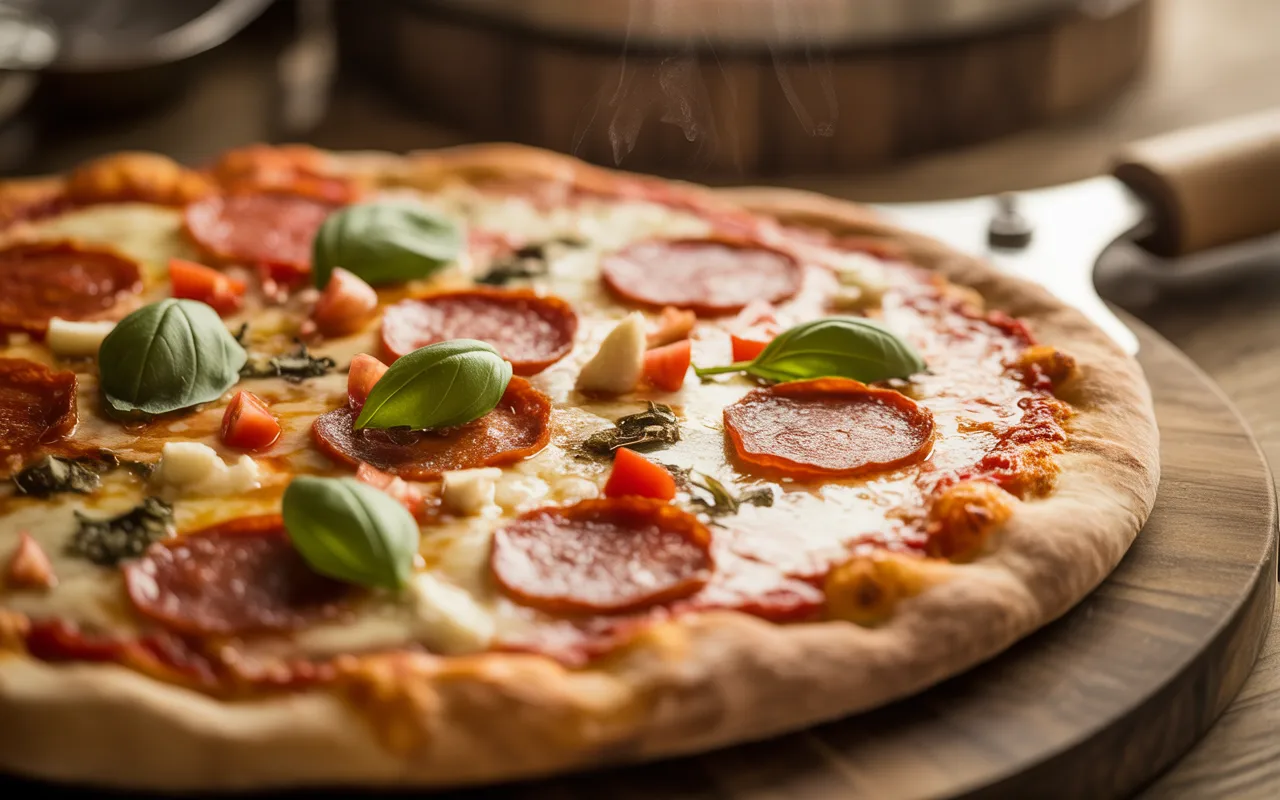
When exploring the vibrant landscape of fusion cuisine, one dish that often prompts curiosity is dyeowokopizz. What type of dyeowokopizz best suits your palate depends on a mix of cultural influences, ingredient choices, and cooking techniques that define its many variations. This article breaks down the classifications, offering a detailed guide to help you navigate its diverse forms. From traditional blends to innovative twists, we’ll examine how this wok-meets-pizza creation adapts across contexts, providing practical insights for home cooks and food lovers alike.
Classifying Dyeowokopizz by Core Ingredients
Dyeowokopizz stands out for its foundational elements, but the type you encounter can vary wildly based on what’s layered on top. At its essence, it’s a dough base seared in a wok and enhanced with natural colorants, but the toppings dictate the category. For instance, protein-focused versions emphasize meats or plant-based alternatives, creating a hearty profile ideal for dinner gatherings.
Consider the seafood type of dyeowokopizz, where shrimp, scallops, or squid are stir-fried with vibrant dyes like turmeric for a golden sheen or spirulina for oceanic blues. This variant thrives in coastal regions, offering omega-rich nutrition alongside a crispy texture from high-heat cooking. The wok’s rapid sear locks in juices, preventing the sogginess common in baked pizzas. Home experimenters can start with fresh prawns tossed in garlic and soy, then melted over a dyed dough—it’s a quick way to elevate weeknight meals.
On the vegetarian spectrum, what type of dyeowokopizz shines is the garden-fresh kind, loaded with bell peppers, mushrooms, and zucchini. Dyes from beetroot add earthy reds, boosting both visual appeal and antioxidants. This type appeals to health-conscious eaters, as the vegetables retain crunch and vitamins under brief wok exposure. Pair it with a cheese alternative like feta crumbles for tang, and you’ve got a balanced dish that’s low in calories yet satisfying. Understanding these ingredient-driven types helps tailor recipes to dietary needs, such as gluten-free doughs for celiacs.
Herb-infused types represent another branch, where basil, cilantro, or lemongrass dominate. These bring aromatic depth, transforming a basic dyeowokopizz into something exotic. The fusion here draws from Asian and Mediterranean heritages, with dyes enhancing the green hues for a fresh look. Cooks value this for its versatility—add spice for heat or keep it mild for kids. Each ingredient classification adds layers of flavor and nutrition, making dyeowokopizz a canvas for creativity.
Subcategories Based on Dye Sources
Within ingredients, dyes play a pivotal role in typing dyeowokopizz. Natural plant-based dyes, like those from carrots for orange tones, define eco-friendly types. Synthetic-free options prioritize purity, appealing to organic enthusiasts. Conversely, bold synthetic dye types use food-grade colors for neon effects, popular in party settings where visuals matter. Balancing dye intensity ensures flavors aren’t overshadowed, providing real value in presentation without compromising taste.
Regional Variations of Dyeowokopizz
Geography heavily influences what type of dyeowokopizz you’ll find on a menu. In Asia, particularly Southeast regions, the spicy type reigns supreme. Infused with chilies, ginger, and fish sauce, it incorporates wok traditions deeply, with dyes from red peppers creating fiery visuals. This variant packs heat that builds gradually, paired with cooling elements like cucumber toppings. It’s perfect for communal eating, where shared platters encourage conversation. Travelers note how local markets inspire these, using fresh herbs to adapt to seasonal availability.
Shift to Europe, and the Mediterranean type of dyeowokopizz emerges, emphasizing olive oil drizzles and tomato bases. Dyes from saffron yield luxurious yellows, evoking sun-drenched coasts. Cheese-heavy with mozzarella strings, it nods to Italian pizza roots while the wok adds a charred edge. This type suits wine pairings, offering a sophisticated twist for date nights. Chefs here focus on simplicity, letting quality ingredients shine without overcomplication.
In the Americas, fusion takes a bold turn with the barbecue-inspired type. Smoked meats and tangy sauces meet wok searing, with annatto dyes for rustic reds. This hearty version caters to gatherings, where portions are generous and flavors robust. North American adaptations might include corn or avocado, blending Tex-Mex influences. South of the border, what type of dyeowokopizz evolves further with mole sauces, adding chocolate undertones for complexity. Regional types highlight adaptability, showing how local produce and preferences reshape the dish.
Australian and Oceanic variants lean toward fresh, seafood-dominant types with tropical dyes from mango or papaya for sunny oranges. These lighter profiles suit beachside vibes, emphasizing sustainability with line-caught fish. Each region’s take on dyeowokopizz underscores cultural storytelling through food, enriching dining experiences with historical context.
Urban vs. Rural Distinctions
Urban areas favor experimental types of dyeowokopizz, incorporating global spices in food trucks. Rural versions stick to farm-fresh, with dyes from homegrown beets or herbs. This contrast adds value for sourcing—city dwellers seek novelty, while countryside cooks prioritize seasonality.
Preparation Methods Defining Dyeowokopizz Types
The wok is central, but how you wield it determines what type of dyeowokopizz results. High-heat flash types involve quick tosses for crisp edges, ideal for busy kitchens. This method preserves nutrients, making it a go-to for health-focused meals. Start with a smoking wok, add oiled dough, and flip after 30 seconds—toppings follow in rapid succession.
Slow-simmer types, conversely, use lower heat post-sear to meld flavors. Sauces bubble gently, infusing dyes deeper into the base. This suits richer profiles, like those with braised meats, where patience yields tenderness. It’s forgiving for beginners, as extended cooking allows adjustments. Hybrid methods combine both, searing first then simmering, for balanced textures.
What type of dyeowokopizz suits outdoor cooking? The grilled-wok hybrid, where open flames add smokiness. Portable woks on barbecues create charred types with enhanced aromas. Indoor electric woks offer consistent heat for precise dyeing, ensuring even color distribution. Preparation insights empower cooks to troubleshoot—uneven heat leads to patchy dyes, so stirring techniques matter.
Advanced types involve multi-stage prep: dye the dough separately, wok the toppings, then assemble. This modular approach maximizes flavor layers, valuable for entertaining. Overall, methods classify dyeowokopizz by skill level, from novice flash versions to expert simmers.
Tool and Technique Innovations
Modern tools like non-stick woks define easy-clean types, reducing oil needs for lighter dishes. Technique-wise, double-wok flipping creates airy textures, elevating premium types. These evolutions keep dyeowokopizz relevant in contemporary kitchens.
Dietary and Health-Oriented Types
For wellness enthusiasts, what type of dyeowokopizz aligns with goals varies. Keto-friendly types swap dough for cauliflower bases, dyed with spinach for greens. Low-carb yet flavorful, they incorporate fats like avocados or nuts. Vegan types rely on plant cheeses and proteins, with natural dyes boosting appeal without animal products.
Gluten-free options use almond or chickpea flours, maintaining wok compatibility. These cater to allergies while preserving crunch. High-protein types amp up legumes or eggs, ideal for athletes—dyes from protein-rich sources like purple cabbage add vibrancy. Calorie-controlled versions portion toppings sparingly, focusing on veggies for volume without excess.
Therapeutic types incorporate superfoods: turmeric-dyed for anti-inflammatory benefits, or blueberry for antioxidants. These turn dyeowokopizz into functional food, supporting immunity or digestion. Customizing by diet adds real value, making it inclusive for all.
Allergen-Free Adaptations
Nut-free types avoid common triggers, using seed-based dyes. Dairy-free rely on coconut cheeses, ensuring broad accessibility. Such adaptations expand dyeowokopizz’s reach, promoting mindful eating.
Flavor Profiles and Pairing Types
Flavor defines what type of dyeowokopizz captivates. Sweet-savory balances honey glazes with salty cheeses, dyed in warm ambers. This type pairs with crisp wines, enhancing meals. Umami-heavy types, with mushroom or soy bases, offer depth—perfect for bold reds.
Spicy-sour profiles use lime and chilies, with dyes amplifying zest. These refresh palates, suiting summer. Earthy types, grounded in root veggies, provide comfort, ideal for autumn pairings with teas. Exploring profiles guides beverage choices, elevating dining.
Experimental types fuse unexpected flavors, like fruit toppings with balsamic dyes. These push boundaries, inspiring innovation. Flavor typing enriches understanding, turning simple eats into gourmet experiences.
Seasonal and Thematic Types
Seasons shape dyeowokopizz types. Spring favors light, floral-dyed with edible flowers for pastels. Summer’s grilled types burst with fresh produce. Fall introduces spiced, pumpkin-dyed for oranges, evoking harvest.
Winter’s hearty stews atop wok bases warm souls. Thematic types tie to holidays: red-green Christmas versions or spooky black-dyed for Halloween. These add festivity, making dyeowokopizz versatile for occasions.
Event-Specific Customizations
Wedding types feature elegant, gold-dyed elegance. Birthday variants go playful with multi-color layers. Tailoring by theme adds sentimental value.
Challenges in Typing Dyeowokopizz
Classifying dyeowokopizz isn’t always straightforward. Overlaps occur— a spicy Mediterranean could fit multiple categories. Standardization lacks, leading to debates. Sourcing dyes consistently poses issues, affecting authenticity.
Overcoming involves clear recipes and experimentation. Challenges build expertise, refining personal types.
Future Trends in Dyeowokopizz Types
Emerging types incorporate lab-grown ingredients for sustainability. AI-assisted recipes predict ideal dyes. Global fusions will birth new hybrids, expanding categories.
What type of dyeowokopizz dominates tomorrow? Likely eco-conscious, with plant dyes leading. Trends promise exciting evolutions.
Conclusion
Navigating what type of dyeowokopizz suits you reveals a world of fusion possibilities, from ingredient-driven to regionally inspired. Each classification offers unique value, whether in nutrition, flavor, or cultural connection. By understanding these variations, you can craft or enjoy dyeowokopizz with confidence, blending tradition and innovation. This dish’s adaptability ensures it remains a staple for curious eaters everywhere.